Female Genital Cutting / Mutilation
Ending Female Genital Cutting / Mutilation Through Education
What is Female Genital Cutting / Mutilation?
Female Genital Cutting (FGC), also known as Female Genital Mutilation, involves the partial or total removal of female genitalia for non-medical reasons. The term Female Genital Cutting is used in community settings to support respectful dialogue whereas Female Genital Mutilation is used in advocacy and policy contexts to emphasize human rights concerns. However, both refer to the same practice.
FGC is a deeply rooted practice which affects 4.3 million girls and women every year. It can cause:
- Severe pain, infections, and complications in childbirth
- Long-term physical and psychological trauma
- Increased risks to maternal and infant health
- Death
Complications related to FGC are responsible for over 44,000 deaths each year, making it the fourth leading cause of death among girls and young women in countries where the practice is prevalent. (source: https://www.orchidproject.org/wp-content/uploads/2025/02/OrchidPDF_Final_V2.pdf)
Why is Female Genital Cutting Practiced?
Female Genital Cutting (FGC) is often practiced as a deeply held social and cultural tradition and in many communities, it is linked to marriageability, religious beliefs, and social belonging.
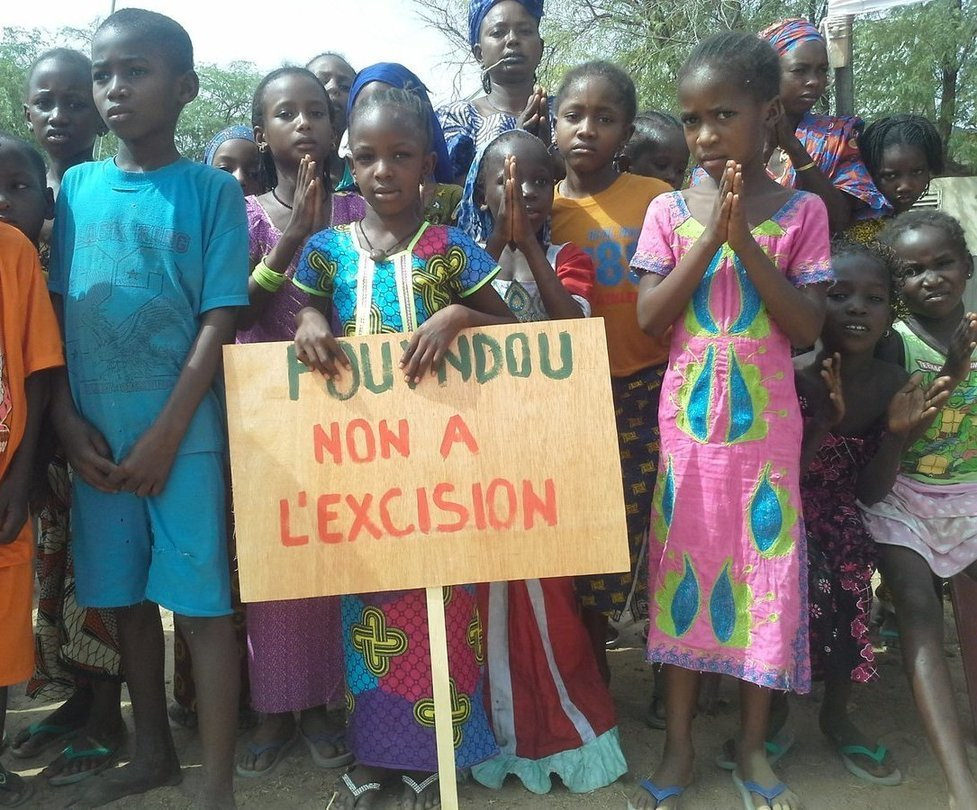
This video made by PBS is a mini documentary about the impact of Tostan’s program on thousands of communities that have abandoned Female Genital Cutting.
Ending FGC through Education
Ending Female Genital Cutting through Education, Not Judgement
Rather than imposing change or passing judgment from the outside, Tostan’s non-formal human rights based education program fosters dialogue and learning through a participatory approach in local languages. Communities who participate in this program can then:
- Learn about health, human rights, and gender equality
- Discuss FGC’s impact on women’s health and well-being
- Make collective decisions to abandon the practice
- Lead public declarations with neighbouring villages to end harmful practices
The Broader Impact of Abandoning Female Genital Cutting
As of 2025, over 6.1 million people from over 10,324 communities across five West African countries have publicly declared to abandon harmful practices such as Female Genital Cutting (FGC) and child marriage – and the movement continues to grow.
The decision to abandon FGC is just the beginning. When communities are empowered through education, they drive transformational change:
- Girls Stay in School – Without the expectation of undergoing FGC and early marriage, more girls complete their education, opening doors to higher learning, leadership, and professional opportunities.
- Women Gain Skills & Economic Power – Many women who have participated in Tostan’s programs form Community Management Committees and go on to start community-led savings and microfinance groups, launch small businesses, and become financially independent.
- More Women in Leadership – With increased knowledge of their rights and confidence in their abilities, women take on leadership roles in their communities and in their districts, advocating for policies that improve health, education, and economic opportunities.
- Healthier Families & Communities – When harmful practices like FGC and child marriage are abandoned, maternal and child health improves, and families can focus on building a better future for all.
Learn more
We invite you to sign up to learn more about FGC, and the communities that have abandoned this harmful practice after participating in Tostan’s education program. Please sign up to receive more information.
Your Support Matters
Change happens when communities lead the way. By supporting Tostan Canada, you’re investing in education that empowers communities to end harmful practices, advance gender equality, and create lasting social change.
Join Us in Creating a Future (Without Female Genital Cutting)
Donate today and be part of a movement that puts power into the hands of the people.